
The Constitution of the United States was ratified on June 21, 1788, when New Hampshire became the ninth state to approve it, allowing the Constitution to take effect. The ratification process involved extensive debates and was influenced by key figures like Alexander Hamilton and James Madison, who advocated for a stronger central government.
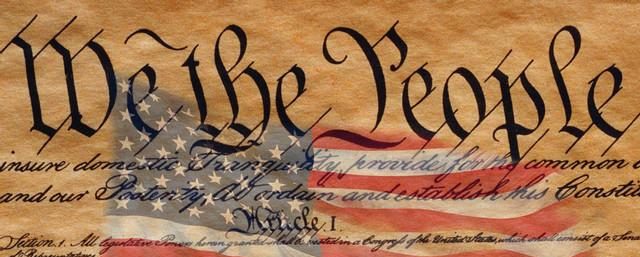 Until the new Constitution was ratified, the country was governed by the Articles of Confederation. That document was tailored to a newly formed nation made of states acting more like independent, sovereign countries, and it quickly became clear to some of America’s leaders that future stability required a stronger, more centralized government.
New York’s Alexander Hamilton thus led the call for a constitutional convention to reevaluate the nation’s governing document. The Confederation Congress endorsed his initiative, and representatives from all 13 states were subsequently invited to convene in Philadelphia on May 25, 1787, to participate in the Convention.
The initial purpose of the Convention was for the delegates to amend the Articles of Confederation; however, the ultimate outcome was the proposal and creation of a completely new form of government. Three months later, on September 17, 1787, the Convention concluded with the signing (by 38 out of 41 delegates present) of the new U.S. Constitution. Under Article VII, it was agreed that the document would not be binding until its ratification by nine of the 13 existing states.
Hamilton and James Madison led the lobbying efforts for votes in favor of ratifying the Constitution. With assistance from John Jay, they produced the 85 essays known as “The Federalist Papers” that explained and defended how the proposed new government would function. The essays were published in newspapers nationwide.
The first state to ratify the Constitution was Delaware on December 7, 1787, followed by Pennsylvania, New Jersey, Georgia, and Connecticut. Some states voiced opposition to the Constitution on the grounds that it did not provide protection for rights such as freedom of speech, religion, and press. However, the terms of the Massachusetts Compromise reached in February 1788 stipulated that amendments to that effect—what became the Bill of Rights—would be immediately proposed. The constitution was subsequently ratified by Massachusetts, Maryland, South Carolina, and, finally, New Hampshire.
After ratification, Congress set dates for the first federal elections and the official implementation of the Constitution. Elections were set to take place from Monday, December 15, 1788, to Saturday, January 10, 1789, and the new government was set to begin on March 4, 1789.
For more information: Constitution Center




 Stella's Place