
Day TEN of Presidential recovery.

Day TEN of Presidential recovery.
Donald Trump is releasing more secrets than any president in history. Matt Taibbi on the top ten mysteries we’re likely to solve.
Day NINE of Presidential recovery
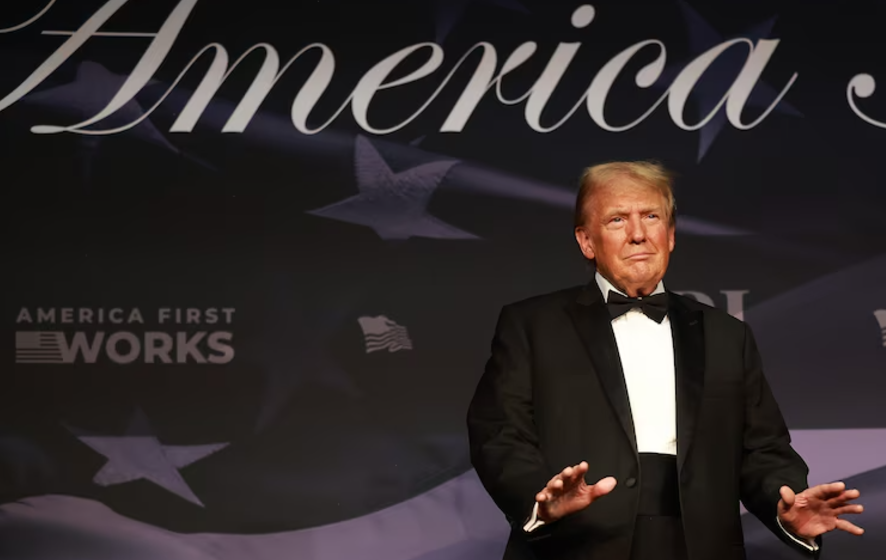
President Donald J. Trump will address the House-GOP retreat at Trump National Doral golf club in Miami, Florida.
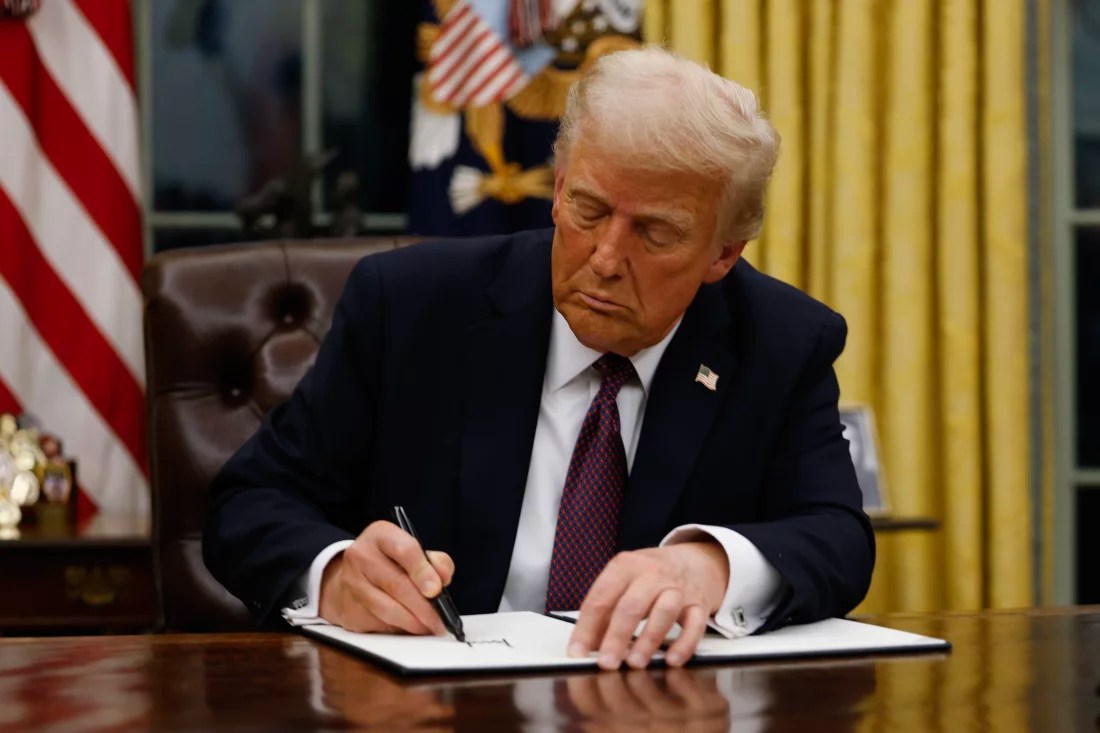
President Donald Trump will sign an executive order to reinstate service members booted from the military for declining to get COVID-19 vaccine jabs, according to the White House.
“The Executive Order directs the Secretary of Defense to reinstate all members of the military (active and reserve) who were discharged for refusing the COVID vaccine and who request to be reinstated,” according to the White House fact sheet.
The service members who are reinstated will be restored to their prior rank, and will be provided back pay and benefits, according to the fact sheet.

WASHINGTON — President Trump is expected to sign two executive orders Monday prohibiting transgender service members and eliminating Diversity, Equity and Inclusion programs from the military, The Post has learned.
Trump had signed an order on his first day in office revoking the Biden administration’s 2021 directive that allowed trans people to serve openly in the military, but the incoming EOs will go further.
They lay out military standards on pronouns and gender identity and directly prohibit thousands of transgender service members from the military, citing issues with mental and physical readiness.
The Department of Defense is directed to make and implement the policy after Trump signs the order.
“Unit cohesion requires high levels of integrity and stability among service members,” a White House document previewing the order on transgender soldiers reads.
There can be “no accommodation for anything less than resilience, strength, and the ability to withstand extraordinary physical demands,” it says.
“Individuals who are unable to meet these requirements are unable to serve in the military. This has been the case for decades,” the document says.
“It can take a minimum of 12 months for an individual to complete treatments after transition surgery, which often involves the use of heavy narcotics. During this period, they are not physically capable of meeting military readiness requirements and require ongoing medical care. This is not conducive for deployment or other readiness requirements.”
Day EIGHT of Presidential recovery.



 | texan59 on General Discussion, Thursday,… |
 | Stella on General Discussion, Thursday,… |
| Stella on Day 1 takeaways from Trump and… |
 | Lucille on General Discussion, Thursday,… |
| Lucille on General Discussion, Thursday,… |
| Lucille on General Discussion, Thursday,… |
| Lucille on General Discussion, Thursday,… |
 | resolute on Day 1 takeaways from Trump and… |
| Lucille on General Discussion, Thursday,… |
| Stella on General Discussion, Thursday,… |
 | auscitizenmom on Another Congress member is… |
| Stella on Day 1 takeaways from Trump and… |
 | WeeWeed on General Discussion, Thursday,… |

 Stella's Place