
An article in Bloomberg explains things that I didn’t understand before about the deal between the UK and the EU. In case you are in the same boat, here is what they say about it.
As has often been the case with UK politics, it is fallout from the Irish Troubles that represent the major sticking point.
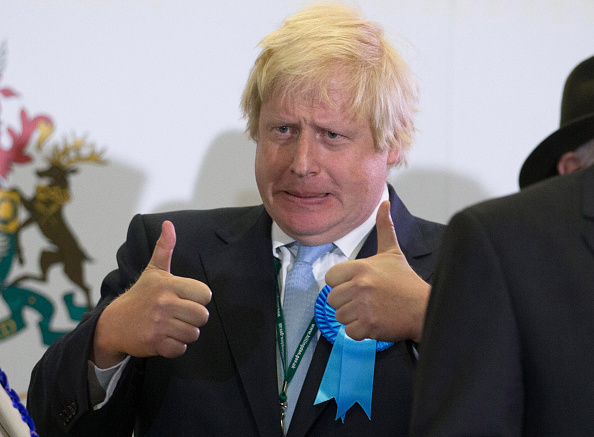
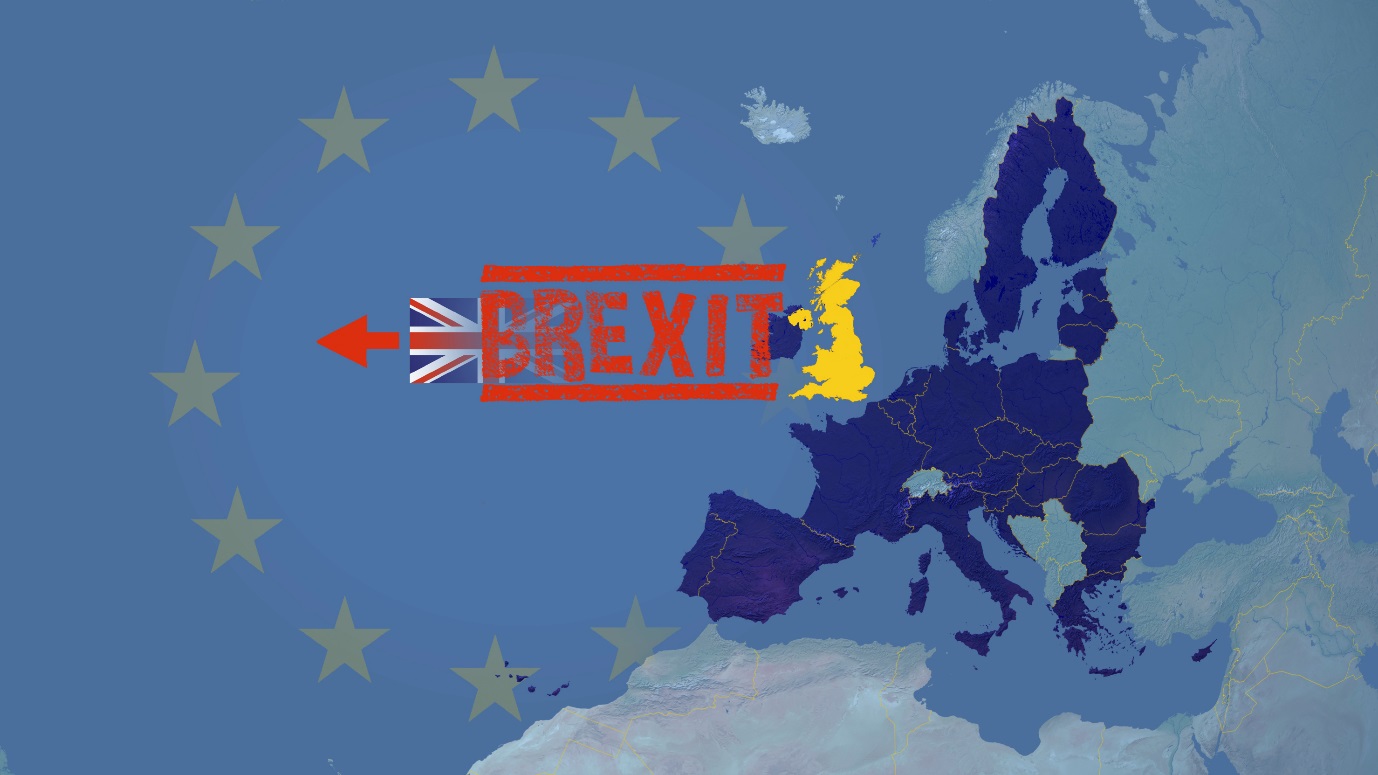 Britain’s new prime minister, Boris Johnson, won the job promising to do something Europe’s leaders have long refused to allow: renegotiate the Brexit withdrawal agreement. The EU should think again — not to help Johnson, but for strictly selfish reasons.
The constant sticking point in the Brexit saga has been the so-called backstop — the plan to avoid new border infrastructure between Ireland, which will remain part of the EU, and Northern Ireland, which won’t. This ties the U.K. into a customs union with the EU and requires compliance with much of Europe’s single-market regulation. It would be a kind of second-class membership, with no say in the rules, and no exit clause. The U.K. can devise alternative border arrangements, but Europe gets to decide whether they suffice, and Britain can’t quit the arrangement unilaterally.
 The backstop is an arrangement for the Irish border that will come into effect if no other solutions to maintain the current open border can be agreed. It is intended to protect the Good Friday Agreement/Belfast Agreement by ensuring that there is no ‘hardening’ of the border between Northern Ireland and Ireland as a result of Brexit. The Irish government went to the EU to insist on an open border between Ireland and Northern Ireland, and the EU took their side, insisting that there should be a backstop in the withdrawal agreement.
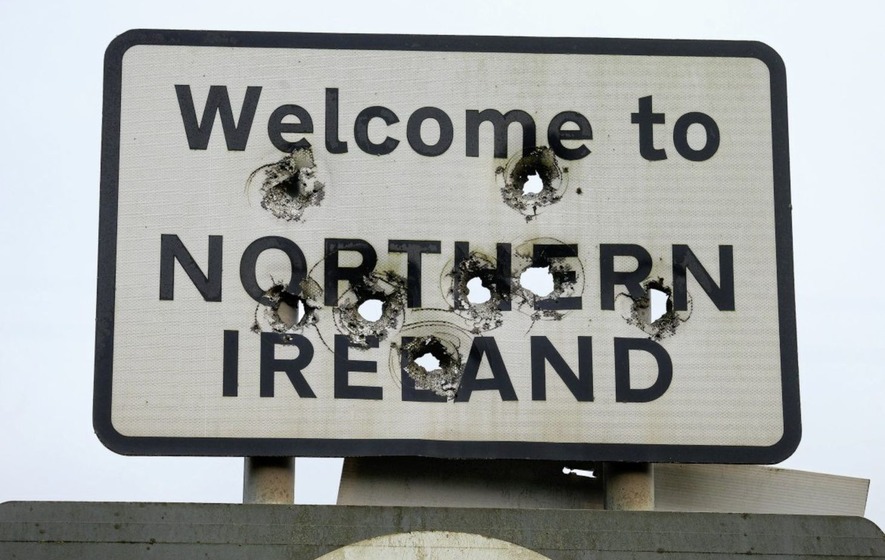 The border between Ireland and Northern Ireland will be the only land crossing between the EU and UK. The problem is that the EU wants to be sure that goods won’t pass into their territory that don’t meet their rigorous customs and regulatory standards once the UK is no longer adhering to them.
Under the agreement negotiated by Theresa May, the UK would enter a transition period after officially leaving the EU during which it would remain a member of the body’s economic zones, namely the single market and the customs union.
This would give the government time to agree the details of our new trading relationship with the European Union and businesses time to adjust with minimal disruption.
The backstop would only come into effect were the transition period to end before all the details of the new relationship had been worked out.
In the event the backstop came into force, Northern Ireland would remain a member of the single market until a trade agreement had been reached to keep the border effectively invisible.
That would mean goods crossing the Irish border would not be subject to checks for customs or product standards.
The arrangement would keep the Northern Irish border open and minimise economic damage, but would also mean the UK would temporarily have to go on following the EU’s rules and regulations without having a say in deciding them.
Back to Bloomberg:
You can see why Brexiteers are unimpressed. Opposition to this part of the Brexit deal is the main reason Theresa May’s government failed, three times, to get the agreement through parliament.
It’s why Johnson is now in charge. Amid the current political chaos, rule nothing out — but the chance that the deal as it stands can be revived in the next 100 days (the Brexit deadline is Oct. 31) and might pass at a fourth attempt seems vanishingly small.
[NOTE: This article was written a little more than a month ago.]
Other possibilities are much more likely — a deliberate no-deal Brexit of the kind Johnson has promised as a last resort, an accidental no-deal Brexit if Brexiteers and Remainers in Parliament continue fighting each other to a standstill, a second referendum, a general election — even, conceivably, unilateral revocation of the decision to quit the union. Here’s the thing: All of these possibilities are worse for the EU than agreeing to a new deal with no backstop.
…
None of these alternatives offers closure, or even a foreseeable outcome. Europe’s leaders are already sick, justifiably, of the Brexit saga. And that’s why they should be helping to push it toward, rather than away from, an orderly resolution.
The form this should take is simple: Take the backstop out of the withdrawal agreement and replace it with an undertaking to avoid, by whatever means, installing physical infrastructure at the Northern Irish border. Exactly how much of a challenge it will be to devise an invisible border depends on the specifics of the long-term trade deal that Britain and the EU eventually strike. Formal negotiations on that long-term deal have barely begun, because Europe insisted on settling the details of the exit deal first. The withdrawal agreement provides for a transitional period where trade arrangements don’t change, pending agreement on the long-term deal. The backstop issues can therefore be tabled and dealt with later.
…
Talks and refusals to talk are matters of strategy, and the best course isn’t always obvious. In this case, though, it is. Europe should think again. Insisting on the backstop and refusing to reopen the withdrawal agreement is just plain irrational.
While I am not sure that I have a complete handle on Brexit, this clears up some of my questions about why the UK has been unable to complete withdrawal from the European Union. I hope this answers some of your questions too.




 Stella's Place
England reminds me of those people who, back in 1985, took in all the without doing research and bought a Yugo.
England deserves to take the medicine without the spoonful of sugar, it ran headlong into the embrace of the EU using its economic beer goggles and when it awakened and the hangover cleared found itself in bed with Evonara. Don’t these folks read their own history books.
“Here, hold my beer Bubba, it’s agonna work THIS time!”.
LikeLike
Sheesh…: took i all the puffery…”
LikeLike