Day THREE HUNDRED THIRTY-EIGHT of Presidential recovery

Day THREE HUNDRED THIRTY-EIGHT of Presidential recovery
On Sept. 21, 1897, The New York Sun published what was to become the most widely read letter to a newspaper. It was sent by 8-year-old Virginia O’Hanlon, who lived with her parents in Manhattan. Below is the full text of that letter and the reply by Sun editorial writer Francis Pharcellus Church.
Dear Editor, I am 8 years old.
Some of my little friends say there is no Santa Claus.
Papa says, “If you see it in The Sun, it’s so.”
Please tell me the truth, is there a Santa Claus?
Virginia O’Hanlon
115 W. 95th St.
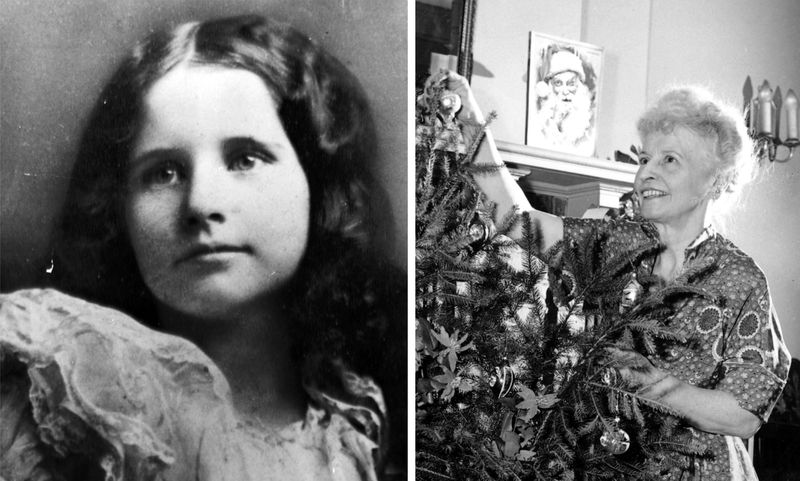
Virginia, your little friends are wrong. They have been affected by the skepticism of a skeptical age. They do not believe except they see. They think that nothing can be which is not comprehensible by their little minds. All minds, Virginia, whether they be men’s or children’s, are little. In this great universe of ours man is a mere insect, an ant, in his intellect, as compared with the boundless world about him, as measured by the intelligence capable of grasping the whole truth and knowledge.
Day THREE HUNDRED THIRTY-SEVEN of Presidential recovery.

The winter solstice is the day of the year with the fewest hours of daylight.
In the northern hemisphere this date falls in December every year. The winter solstice in 2025 occurs on Sunday, December 21, marking the first day of winter in the Northern Hemisphere. The exact moment of the solstice is at 10:03 a.m. Eastern Standard Time (EST).
This event signifies the shortest day and longest night of the year, with daylight hours varying by location—approximately 9 hours and two minutes in Detroit and 7 hours, 49 minutes, and 42 seconds in London. In Anchorage, Alaska, daylight is only 5 hours and 34 minutes! After the solstice, the days gradually begin to lengthen again until the summer solstice in 2026.
This is a wonderful Christmas story. It was translated into English by Leo Tolstoy. The original story was written in French by Ruben Saillens and demonstrates the virtues of kindness and compassion. It is based on a verse from the Bible, Matthew 25:35:
“For I was hungry and you gave me food, I was thirsty and you gave me drink, I was a stranger and you welcomed me.”

O. Pirsi, The Cobbler
It was Christmas Eve and although it was still afternoon, lights had begun to appear in the shops and houses of the little Russian village, for the short winter day was nearly over. Excited children scurried indoors and now only muffled sounds of chatter and laughter escaped from closed shutters.
Old Papa Panov, the village shoemaker, stepped outside his shop to take one last look around. The sounds of happiness, the bright lights and the faint but delicious smells of Christmas cooking reminded him of past Christmas times when his wife had still been alive and his own children little. Now they had gone. His usually cheerful face, with the little laughter wrinkles behind the round steel spectacles, looked sad now. But he went back indoors with a firm step, put up the shutters and set a pot of coffee to heat on the charcoal stove. Then, with a sigh, he settled in his big armchair.
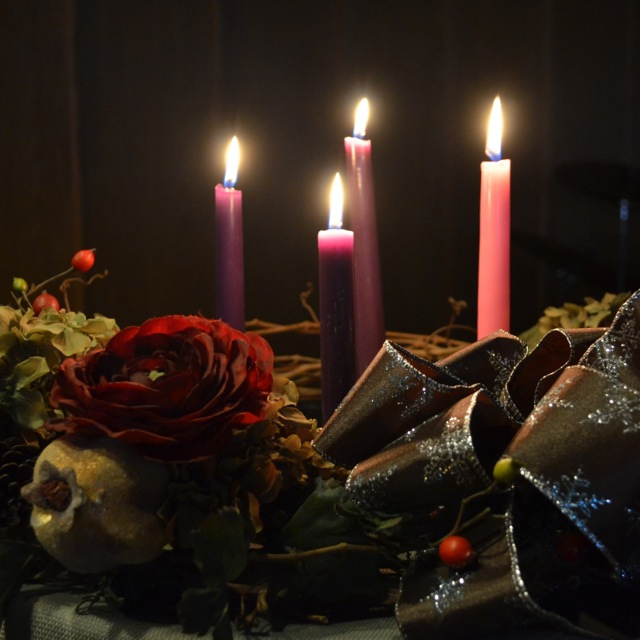 On this last Sunday before Christmas, we open our hearts to God’s gift, as it was prophesied:
Isaiah 7:14: The Lord himself shall give you a sign; behold, a virgin shall conceive and bear a son and shall call his name Immanuel.
The Wexford Carol is a traditional Irish Christmas carol originating from County Wexford and, specifically, Enniscorthy. The subject of the song is the nativity of Jesus Christ.


 | Stella on General Discussion, Friday, Ju… |
| Stella on Elon Musk’s SpaceX rings… |
| Stella on Elon Musk’s SpaceX rings… |
| Stella on Elon Musk’s SpaceX rings… |
| Stella on Elon Musk’s SpaceX rings… |
 | WeeWeed on General Discussion, Friday, Ju… |
| Stella on General Discussion, Friday, Ju… |
 | auscitizenmom on General Discussion, Friday, Ju… |
| Stella on General Discussion, Friday, Ju… |
| auscitizenmom on General Discussion, Friday, Ju… |
 | czarina33 on General Discussion, Friday, Ju… |
| Stella on General Discussion, Friday, Ju… |
| auscitizenmom on General Discussion, Friday, Ju… |
| czarina33 on General Discussion, Friday, Ju… |



 Stella's Place