
President Trump signed an executive order titled “Ending Crime and Disorder on America’s Streets,” which directs federal agencies to make it easier to involuntarily treat people with serious mental illnesses as part of a bid to address homelessness across the United States. The order makes it easier for states to remove homeless encampments and force unhoused people into mental health or addiction treatment programs.
In view of this EO, this is a repeat of a post I made in 2018.
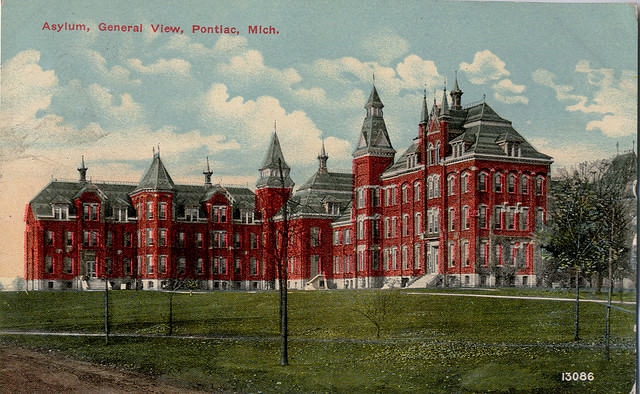
Today’s mentally ill have all but returned to the preinstitutional conditions of the 1850s and before: When not sleeping on the streets, many are again consigned to drift among a custodial system of prisons, welfare hotels and outpatient facilities.
In 1880, the severely mentally ill made up less than 1% of the U.S. prison population. A hundred years later, the percentage was 10 times greater.
The Los Angeles County Jail has become the largest de facto psychiatric inpatient facility in the U.S.; New York City’s Rikers Island is second.
For half a century, the states have closed their asylums in an effort to save money, while lawyers have routinely put up obstacles to care.
 More than fifty years ago, most of our psychiatric hospitals closed, and most of their patients released to the public. There were more than 600,000 patients in such hospitals in 1955; now there are fewer than 50,000 beds available for psychiatric patients.








 Stella's Place