
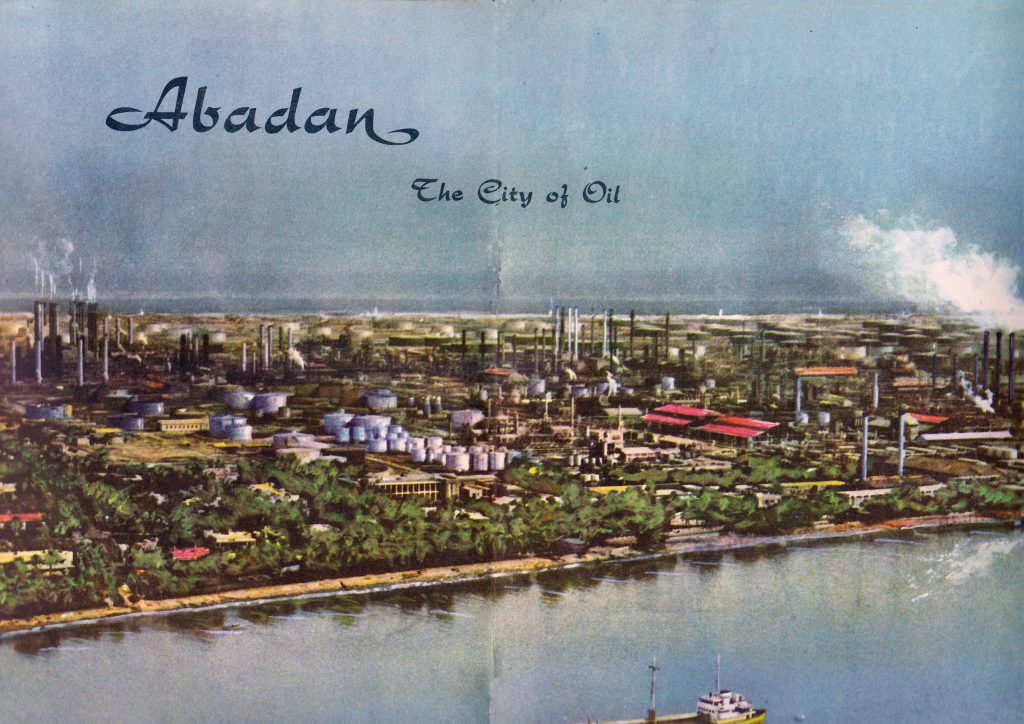
It began in 1908 when William Knox D’Arcy struck oil in southwest Persia.
Exclusive extraction rights. Sixteen percent royalty—no Iranian permitted to audit the books.
Anglo-Persian Oil Company born.
Churchill called it “a prize from fairy land beyond our wildest dreams.”
The British government took 51% controlling stake in 1914.
The Royal Navy ran on it.
Britain’s 20th century standard of living was subsidized by Iranian wealth while Iranian workers lived without running water.
When Mossadegh nationalized in 1951, the system corrected.
Operation Ajax installed the Shah.
The MB —now designated T3rr0r1st organization—provided the street chaos then as they have in every managed conflict since.
When the Shah outlived his utility, the Ayatollahs inherited the franchise.
Same architecture.
Different management.
The mechanism has been consistent:
City of London sets global oil prices, insures shipments, banks sovereign wealth, launders for the chaos mafias.
Managed conflict between Israel and Arab states, Sunni and Shia, keeps the extraction flowing.
The wars were never independent events.
They were maintenance payments on the architecture.
Until today.
Trump secured $2 trillion in Gulf sovereign wealth investments—capital that sat in City of London banks now committed to American manufacturing, energy, and AI infrastructure.
The Board of Peace.
Sisi at the table.
Qatar and Turkey involved despite Netanyahu’s objections.
This isn’t bilateral.
It’s architectural.
Treasury Secretary Bessent stated plainly in January: 50% of his job is national security.
The war was always financial.
The kinetic phase settles the account.
The strikes hit precisely—IRGC command, Supreme Leader—not facilities, not population, not the state apparatus.
This preserves the Geneva framework that was already authorized.
Leaves the structure intact for the pragmatist pivot.
JD Vance told the Washington Post Friday: “There is no chance this becomes a forever war.” Absolute.
Not hedging.
Marine veteran who built his career opposing forever wars.
The Venezuela template: remove the obstacle, preserve the institution, deal with the remaining government immediately.
“Take over your government. It will be yours to take.”
–
@POTUS
Not regime change.
Not occupation.
Removing the final veto player who blocked both the old extraction system and the new construction system.
The Barrack-Maliki formation unpauses now.
The GCC absorbed missiles without breaking stride because they were already on the other side of this transition.
The Strait of Hormuz threat evaporates when the actor threatening it is removed.
The $2T flows. The reconstruction begins.
They’ll call it Iraq 2003.
They’ll scream regime change.
They’ll never mention 1908 because that story requires admitting who built the house that just got foreclosed.
The reset isn’t coming.
The reset happened while they were watching the explosions.
Historical times.
Credit to
@BarbaraMBoyd via @PrometheanActn
for insights and how this ties into what we, specifically are monitoring on this account.




 Stella's Place
LikeLiked by 3 people
This is something I didn’t understand for the longest time. The “City of London” isn’t about the city we call London. This Wikipedia’s description:
Nicknamed the Square Mile, the City of London has an area of 1.12 sq mi (716.80 acres; 2.90 km2), making it the smallest city in the United Kingdom by area. It had a population of 8,583 at the 2021 census, however over 500,000 people were employed in the area as of 2019.
Together with Canary Wharf and the West End, the City of London forms the primary central business district of London, which is one of the leading financial centres of the world. The Bank of England and the London Stock Exchange are both based in the City. The insurance industry also has a major presence in the area, and the presence of the Inns of Court on the City’s western boundary has made it a centre for the legal profession.
[…]
The City of London’s role in illicit financial activity such as money laundering has earned the financial hub sobriquets such as ‘The Laundromat’ and ‘Londongrad’.
In May 2024, the UK’s then deputy foreign secretary, Andrew Mitchell, said that 40% of the dirty money in the world goes through London and crown dependencies.
LikeLiked by 3 people
LikeLike