
If you have never watched the Townsends on YouTube, I encourage you to do so! Here’s a video about using other foods to substitute for part of the wheat flour at a time when wheat flour was in short supply due to crop failures or other reasons. In this video, John concentrates on the use of potato. As he points out, one advantage of using potato is that it isn’t easy to tell that the loaf is not all wheat. People in the 18th century wanted white bread.
Of course these days we make bread with all kinds of grain. Two common additions are oats and corn. If you want to try potato bread, either follow John’s directions, or try this one.
I remember my mother making potato rolls for a special dinner – like Thanksgiving!
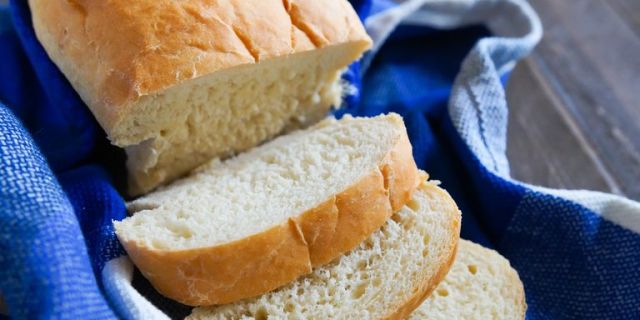 Potato Bread (from The Pioneer Woman)
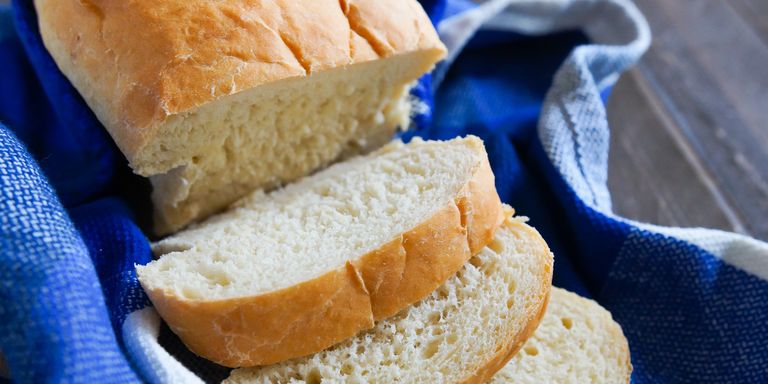
Ingredients (makes 2 loaves)
Peel and cube the potatoes. Place in a saucepan, cover with water, and bring to a boil. Reduce heat and cook on a low boil for about 10 minutes, until the potatoes are easily pierced with a paring knife.
Drain potatoes, reserving the water. Mash potatoes well. Let potatoes and potato water cool for at least 30 minutes. Potato water should be lukewarm before using.
In a large bowl, stir flour, sugar, yeast, and salt. Add the lesser amount of potato water, milk, butter, and 1 cup mashed potatoes (you’ll have extra). Mix using the paddle attachment until thoroughly combined. The mixture should be tacky and sticky. If too dry, mix in remaining 1/4 cup potato water.
Switch to a dough hook and knead on medium speed for about 8 minutes, pausing a few times to scrape the sides and bottom of the bowl, as well as the dough hook.
The dough should be smooth, but soft and still a bit tacky feeling. Remove to an oiled bowl. Cover with an oiled piece of plastic wrap. Let rise until doubled in bulk, about 1 hour to 90 minutes.
Punch down the dough. Divide in half and place on a lightly floured surface. Knead each piece a few times, form into a log, and place in two greased (8×4 or 9×5) loaf pans.
Cover the pans lightly with oiled plastic wrap. Let rise until the dough has crowned 1 inch over the tops of the pans, 30 minutes to 1 hour. Meanwhile, preheat the oven to 350ºF.
Bake bread for 35 minutes or until top is golden and internal temperature reaches 190ºF. Let cool in the pans for 5 minutes, then remove from the pans to cool on a wire rack.
Slice with a serrated knife. Bread may be wrapped well and frozen.




 Stella's Place
My Grandma said during the depression they rarely ate sliced bread. She and my Grandpa worked full time at the cotton mill, so she didn’t have much time to cook. They made biscuits almost every day for breakfast and lunch. Cornbread for supper. My Grandpa smoked his own hog every year, so the 4 kids went to school with a ham biscuit. He also kept a chicken coop in the backyard for meat and eggs. They also kept a huge garden in the back yard that they shared with a neighbour, and canned a lot of vegetables. My Grandpa made the best biscuits! He taught me how when I was 8 years old, lol.
He also taught me a lot about gardening. I think they got by much better than a lot of people in this country.
Of course he was paid (40 hours) only $.75 per week, and my Grandma only got $.50 for the same amount of work! They lived in the Mill Village, so rent was cheap in a 2 story house that was a duplex shared with another family and owned by the cotton mill. They were both weavers.
LikeLiked by 3 people
Our ancestors were tough and faced a lot of hardship. Biscuits were a great bread alternative. The thing about the 18th century, however, is that they didn’t have any chemical leaveners, like baking soda or baking powder. Pearl ash (potassium carbonate) was the first, used sometime in the 1780’s. It is made from lye (that comes from wood ash.) Here’s an article about it:
http://www.fourpoundsflour.com/the-history-dish-pearlash-the-first-chemical-leavening/
LikeLiked by 4 people
There are other ways to obtain rise – whipped egg whites is one. Another is butter interleaved with dough (puff pastry), which creates steam.
LikeLiked by 2 people
Dear Hubby learned how to make puff pastry in The Royal Navy! I guess you must always be prepared for giving The Queen what she wants, lol.
LikeLiked by 3 people
Thanks Stella! I like to know of alternatives for “just in case”. My Grampa also taught me that when you’re out of buttermilk, just add a little vinegar to regular milk. My Grandma also would never waste anything. If the sweet milk went a bit sour, just use it in biscuits or cornbread. It works fine!
I really feel bad about young people of today destroying history. What happens when it’s all forgotten?
LikeLiked by 4 people
I spent 3 months in El Salvador back in the mid 70’s. I learned how to make proper corn tortillas. The lady of the house would arise at 5 a.m. and start a fire in the kitchen floor under a huge black witch’s cauldron. She’d pour in 50 lb. dried corn, and cook it until it was soft. Then add lye! After it cooled enough she then scooped out the corn, and took it to the laundry area and washed it very thoroughly and put it in a galvinized tub and plopped it atop her head and walked to the “Molina”. It was fed into the top of a machine that looked like a huge sausage grinder. She then put the dough back into the tub, back on her head, and returned home.
The next thing you heard was a soft “pitter, patter” when all of the females of the family formed the tortillas out of the dough. They were then cooked on a flat clay thingy over a wood fire and flipped back and forth (by hand!) until toasty and done. She sold them to all of the neighbours, 2 for 5 centavos. This was her pin money so she wasn’t totally dependent on her Hubby.
Yes, I was taught to make the said tortillas, and I admit the first few were feeble, but edible, lol. This was the only experience I’ve had, so far, in using lye for cooking!
I reckon biscuits are a bit easier!
LikeLiked by 4 people
Lye is also used to make hominy!
LikeLiked by 4 people
And I do believe grits! Thank you Dear Lord for grits! I love them so much! Either plain with butter and pepper, or add cheese and Cajun shrimp.
My mouth is watering just thinking about grits.
LikeLiked by 3 people
Well, grits are made from hominy so …
LikeLiked by 1 person
Grits with cheese and bacon!
LikeLike
Also lutefisk, but lutefisk is obviously not bread. But it sure does use lye.
LikeLiked by 1 person
It’s also disgusting.
LikeLiked by 2 people
LikeLiked by 4 people
Love lutefisk! Wrapped in lefsa with butter and brown sugar. Yummy.
Now koomla…..well, you can keep it. Koomla made from potatoes boiled in boiled ham broth. Yuck.
Do like the mug, though. Lol funny.
LikeLiked by 2 people
Sounds nasty….
LikeLiked by 2 people
And Zurich Mike and I have had numerous conversations about surstromming, another perfectly good fish turned into a biological weapon.
LikeLiked by 1 person
And it helps give corn tortillas their distinctive smell.
LikeLiked by 2 people
Do you know the trick about mixing baking soda and cream of tartar to make your own baking powder?
2 teaspoons cream of tartar
1 teaspoon baking soda
1 teaspoon cornstarch
The cornstarch is added to prevent lumps during storage, but it’s not required. This is a single acting baking powder, so be sure to get your baked goods in the oven right away!
LikeLiked by 2 people
Here’s an interesting bread from a Turkish cook in Instanbul. Reminds me of English muffins. Enjoy!
LikeLiked by 2 people